Air Conditioning for Sunshine Coast Units & Townhouses: Strata Rules, Noise and Smart System Choices
Practical guidance for owners and strata committees in Maroochydore, Mooloolaba, Noosa Heads and across the Sunshine Coast on how body corporate rules, noise concerns and space constraints influence the best air‑conditioning options for units and townhouses.
Why strata rules matter for unit and townhouse aircon
When you live in a unit or townhouse the body corporate or strata by‑laws often set the boundaries for what you can install and where. Approvals are commonly needed for anything that affects common property, external appearance, or neighbouring amenity — for example mounting outdoor units on a balcony, fixing brackets to a shared wall, or running external refrigerant lines. On the Sunshine Coast, examples in suburbs like Maroochydore, Mooloolaba and Noosa Heads show that early engagement with your committee makes installations smoother and less likely to be delayed.
Typical approval checkpoints from body corporate
Before you buy or book an installer, check common approval requirements: does the strata consider the balcony, façade or roof space to be common property? Are there rules about visible equipment or screening? Is written committee consent required for drilling into walls or adding a cage around an outdoor unit? Many strata also ask for evidence that an installation meets noise and aesthetic guidelines and that a licensed installer will complete the work. Getting these answers first avoids rework and disputes.
Where outdoor units are usually placed — pros and cons
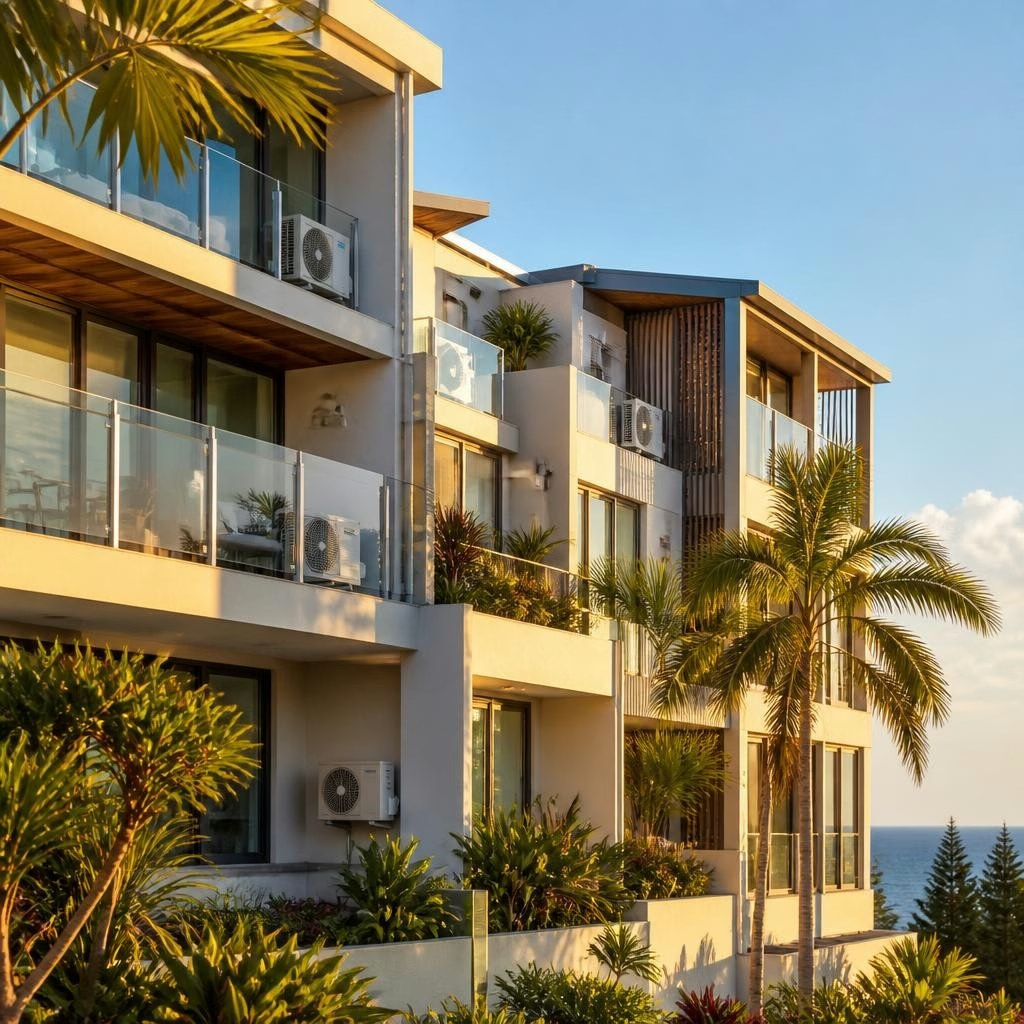
Possible locations include balcony edges, ground pads beside the building, dedicated plant rooms or alcoves, and roof or external walls. Balconies are convenient for access but can be restricted by strata rules and may transmit noise to neighbours. Plant rooms or service alcoves keep equipment out of sight but need good ventilation and access for servicing. Ground‑level pads often minimize visual impact but require secure mounting and drainage. Each option should be assessed for service access, condensate runoff, and how it affects neighbouring units.
Noise considerations and how to reduce neighbour impact
Noise is a common concern in multi‑unit sites. To reduce impact: choose quieter condenser models (manufacturers publish sound data), position units away from bedroom windows, fit anti‑vibration mounts, and use flexible line routing to allow the outdoor unit to be placed in a less intrusive spot. Regular servicing also keeps noise down — worn fans or blocked coils increase vibration and sound. When you submit a strata application, include a plan showing the proposed unit location and any noise‑mitigation measures so the committee can review likely impact.
Best system types for compact spaces
For individual units, wall‑hung split systems are compact, efficient and require only a small outdoor condenser. Multi‑split systems let you service several rooms from one outdoor unit, which can reduce the number of condensers visible around the building — helpful where strata limits external equipment. Ducted systems suit townhouses with space for a concealed ceiling cavity but need more invasive installation and planning approval where common property is affected. The right choice depends on each property’s layout, local rules and whether you prioritise aesthetics, whole‑home comfort or minimal external hardware.
How to prepare a successful approval application
A complete submission speeds committee approval. Typical documents to include: a site plan showing the exact outdoor unit location, manufacturer specifications including sound/emissions data, a drainage and access plan, and confirmation the installer is licensed. If possible, provide photos of the proposed location and a written statement about how you’ll minimise visual and noise impact (screening, anti‑vibration mounts, regular servicing). Having a professional installer inspect the site and supply a recommendation alongside the application often reassures committees.
Installation and ongoing service — what to expect locally
Choose an installer with experience in multi‑unit projects who can work with strata committees and handle non‑standard sites. Locally on the Sunshine Coast, customers consistently highlight punctual, neat installations and clear communication from initial quote to completion. A resident in a nearby complex noted the team’s professionalism and that many neighbours decided to use the same firm after a successful service visit — a useful sign that an installer understands strata processes and resident concerns. Also consider regular maintenance packages to keep performance high and noise low.
Final tips and next steps for Sunshine Coast owners
Start by checking your body corporate by‑laws and talking to the strata committee before committing to a system. Arrange a site inspection from a licensed installer who can produce a detailed plan for approval, recommend quieter equipment and propose sensible mounting and screening solutions. For those in Maroochydore, Mooloolaba, Noosa Heads and across the Sunshine Coast, getting a free, no‑obligation quote and an on‑site assessment will clarify options for your specific layout. If you need help with strata‑friendly installation, servicing or coil and filter maintenance, look for local teams experienced with unit and townhouse work and able to provide the documentation your committee will want.
Customer review


Article by
Sunstate Climate Control
Experience counts for everything! Founders of Sunstate Climate Control have more than 20 years of sales, installation and maintenance experience in all aspects of residential and commercial air conditioning and refrigeration. We are a locally owned and operated family business who takes pride in being the Sunshine Coast's most competitive dealer for both ducted and split system air conditioning. Because we pride ourselves on offering an excellence in all areas of our business, we offer no-obligation free quotes, onsite inspections, fast turnaround times and after-hours services for emergencies.